CSR vs. ELSC: Two Microbial Products, Two Different Jobs
A lot of the questions that land in our inbox start the same way: "Which Micro-Blaze® product do I need?" The answer usually comes down to the application and desired…
A lot of the questions that land in our inbox start the same way: "Which Micro-Blaze® product do I need?" The answer usually comes down to the application and desired…
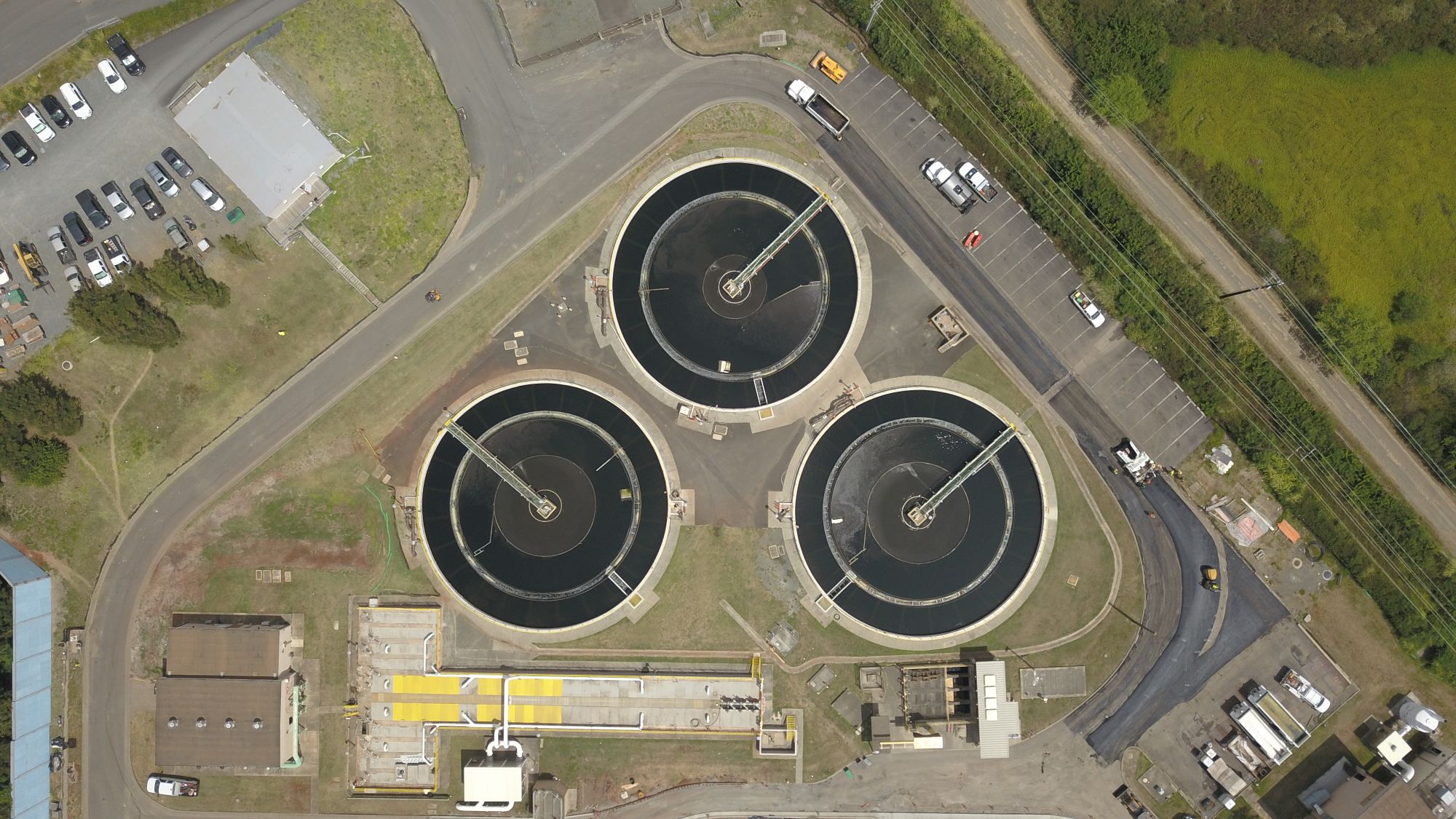
Every wastewater system is designed to handle organic waste, and under normal conditions, naturally occurring biological processes continuously break down these materials as they move through the system. Operational problems…

Beneficial bacteria support RV septic systems by helping break down organic waste, maintain cleaner tank conditions, and promote ongoing system performance. Many RV owners understand the importance of regular septic…

Summer travel often means longer trips, increased RV usage, warmer temperatures, and more demand on black and gray water systems. While many RV owners focus on route planning and campground…
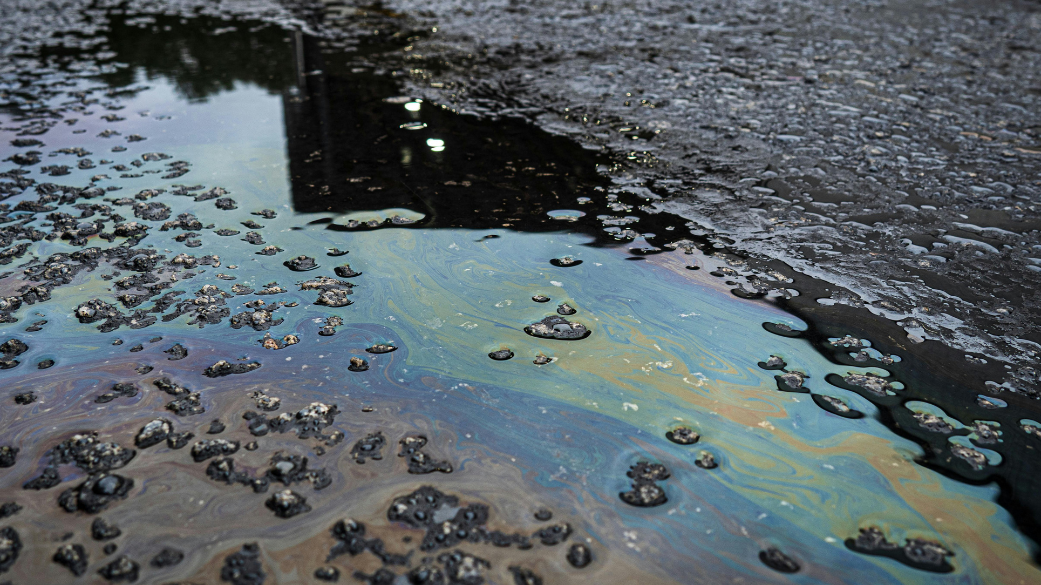
Cleanup after fire and spill incidents is often more complex than it appears. Hydrocarbon stabilization after fire and spill incidents depends heavily on field conditions, surface types, and response methods.…
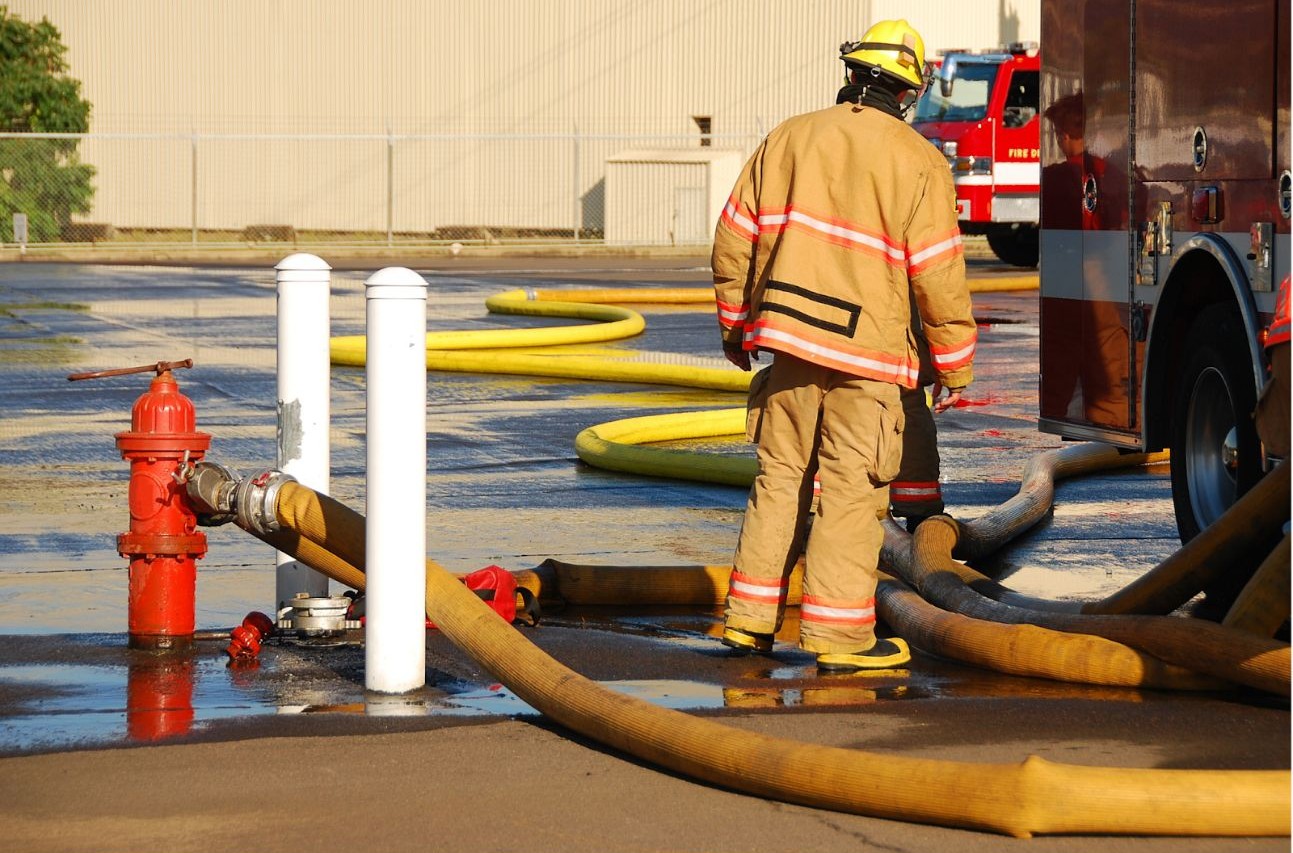
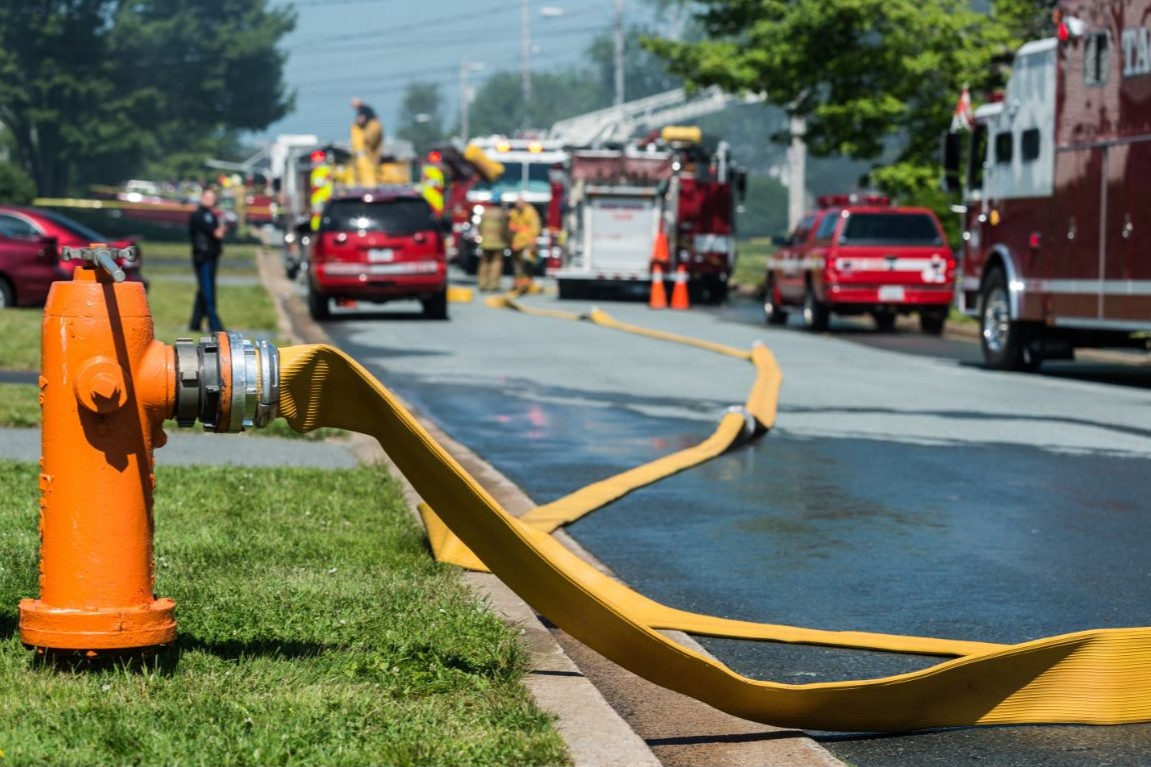
Fire suppression is typically evaluated by extinguishment time, cooling efficiency, and prevention of flashback. Increasingly, however, departments must also consider what happens after suppression, particularly in incidents involving fuels and…

Bioremediation relies on biological processes, which means spill remediation timelines are influenced by temperature, contaminant type, and site conditions. Understanding these variables helps environmental professionals set realistic expectations and plan…

One of the most common questions in spill response involves dilution and dosing. In spill remediation dilution decisions, understanding how and why recommended ranges apply is more important than achieving…

Spill response extends beyond containment. This article explains how bioremediation is applied in the field to support compliant remediation across soil, surfaces, and controlled water environments.